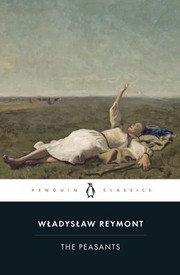
Władysław Reymont
1924 Nobel Prize in Literature · Browse all books on Amazon ↗
Władysław Reymont stands as a towering figure in Polish literature and one of the most important novelists of the early twentieth century. His 1924 Nobel Prize in Literature recognized not just a prolific career, but a writer who had fundamentally expanded the scope of what literature could capture—bringing the lives of ordinary Poles, particularly rural peasants, into the center of serious artistic vision. Reymont’s influence on Polish letters and broader European realism remains profound, establishing him as a bridge between nineteenth-century naturalism and modernist sensibilities.
Reymont’s distinctive style combined meticulous naturalistic observation with emotional depth and psychological complexity. His masterwork, The Peasants, stands as an epic exploration of rural life across the four seasons, rendering the rhythms of agricultural labor, family dynamics, and spiritual traditions with unflinching detail. Yet what sets Reymont apart from mere documentialists is his ability to find profound human drama in this everyday material—passion, ambition, conflict, and desire coursing through villages and farmsteads. In works like The Comedienne, Dreamers, and The Promised Land, he explored urban life, artistic temperament, and industrial society with the same commitment to authenticity.
A former actor himself, Reymont brought theatrical understanding to his characterizations and dialogue, creating voices that feel genuinely lived-in rather than merely reported. His novels pulse with the particular textures of Polish life, language, and consciousness, making him not just a national treasure but a writer of genuine international stature whose work speaks to the universal human experiences beneath cultural particularity.