William Faulkner
1949 Nobel Prize in Literature · Browse all books on Amazon ↗
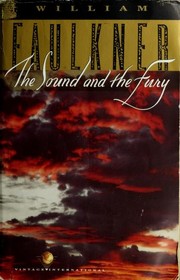
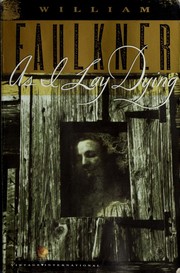
William Faulkner stands as one of the most significant American writers of the twentieth century, a towering figure who fundamentally transformed the possibilities of the novel form. His 1949 Nobel Prize in Literature recognition celebrated a career that had already produced several masterpieces, though many of his greatest works, like The Sound and the Fury and As I Lay Dying, initially received limited commercial success. Faulkner’s reputation rests on his willingness to experiment radically with narrative structure, language, and consciousness itself—he pushed American literature toward modernist complexity at a time when such ambition was far from guaranteed success.
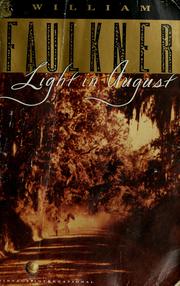
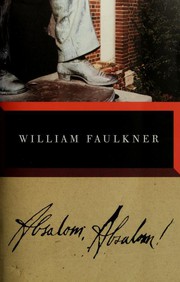
What distinguishes Faulkner’s work is his invention of Yoknapatawpha County, a fictional Mississippi landscape where he conducted an exhaustive exploration of the American South in all its moral complexity and historical weight. Through novels like Light in August, Absalom, Absalom!, and Go Down, Moses, he examined the legacy of slavery, racial violence, family decay, and the collision between traditional codes and modern consciousness. His prose style—marked by stream-of-consciousness passages, fractured chronologies, and a baroque density of language—demanded active participation from readers but rewarded them with unprecedented psychological depth and emotional intensity.
Faulkner’s influence on world literature cannot be overstated. He demonstrated that serious American fiction could rival European modernism in ambition and artistry, paving the way for generations of writers who would follow. His exploration of the South as a site of national trauma and mythic significance established templates that continue to resonate, while his technical innovations in narrative form remain studied and emulated in classrooms worldwide.