William Golding
1983 Nobel Prize in Literature · Browse all books on Amazon ↗
William Golding stands as one of the most significant British novelists of the twentieth century, earning the Nobel Prize in Literature in 1983 for his distinctive imaginative power and remarkable ability to penetrate the depths of human nature. His reputation rests on a body of work that refuses easy categorization, moving fluidly between allegory, psychological realism, and historical fiction while maintaining an unflinching moral seriousness. Golding’s novels have become touchstones in literary culture, studied as much for their philosophical depth as for their narrative power.
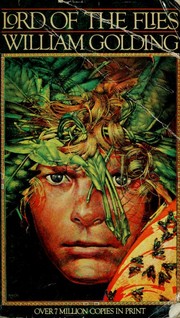
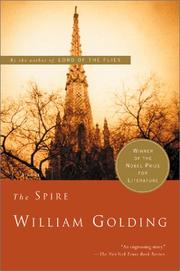
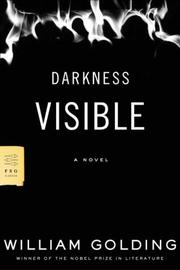
Golding’s distinctive voice emerges from his conviction that civilization is a thin veneer over humanity’s darker impulses. His early masterpiece Lord of the Flies epitomizes this preoccupation, using the island setting and cast of schoolboys to explore how quickly order collapses into barbarism. This theme resonates throughout his work—in The Inheritors, which reimagines prehistoric humanity; in Pincher Martin, a claustrophobic meditation on survival and delusion; and in Free Fall, which interrogates the nature of human freedom and responsibility. Later novels like The Spire and Darkness Visible demonstrate his continued engagement with spiritual and moral crisis, employing richly symbolic narratives to examine faith, guilt, and redemption.
Beyond his thematic preoccupations, Golding’s literary significance lies in his ability to blend high modernist technique with the accessibility of traditional storytelling. His trilogy beginning with Rites of Passage shows him engaging with historical fiction without sacrificing psychological complexity. Golding occupies a unique place in post-war English letters, bridging the gap between literary experimentalism and narrative engagement—a writer whose novels compel readers to confront uncomfortable truths about human nature.