Winston Churchill
1953 Nobel Prize in Literature · Browse all books on Amazon ↗
Winston Churchill stands as one of the twentieth century’s most formidable prose stylists, whose literary output rivaled that of his political achievements. The 1953 Nobel Prize in Literature recognized not just his historical significance as a wartime leader, but his distinctive voice as a writer—one shaped by Victorian grandeur, vivid narrative power, and an unflinching sense of historical drama. His works commanded attention through their scope and ambition, whether chronicling the global conflicts of his era or reflecting on the personalities who shaped history.
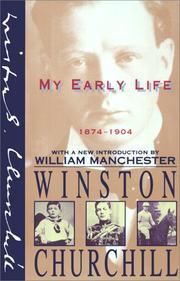
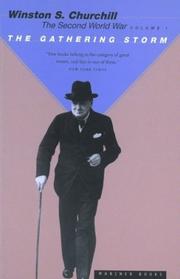
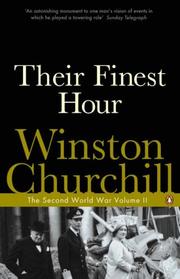
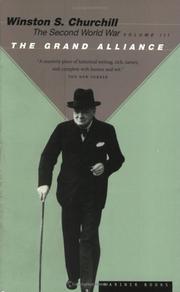
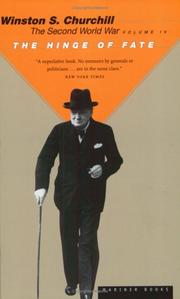
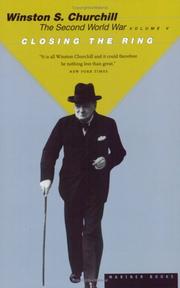
Churchill’s literary reputation rests largely on his monumental historical works, particularly his sweeping six-volume account of The Second World War and his four-volume history of English-speaking civilization. These were complemented by equally ambitious earlier projects like The World Crisis and his biographical study of Marlborough, demonstrating a lifelong commitment to understanding history’s grand movements and towering figures. His earlier novels and accounts of military campaigns, meanwhile, captured the romantic adventurism of his youth, while collections like Great Contemporaries showcased his gift for character portraiture.
What distinguished Churchill as a literary voice was his union of the historian’s rigor with the storyteller’s instinct. His prose moved with martial cadence and baroque elaboration, treating political events and military campaigns as episodes in an epic narrative of civilization’s struggles. He belonged to a tradition of statesmen-writers who saw literature as a natural extension of public life, and his historical works stand as enduring monuments to a particular vision of Western leadership and cultural continuity, even as they remain deeply personal testaments to his own era.