Wisława Szymborska
1996 Nobel Prize in Literature · Browse all books on Amazon ↗
Wisława Szymborska stands as one of the most significant voices in twentieth-century poetry, earning the 1996 Nobel Prize in Literature for her distinctive ability to find profound philosophical insight in the everyday world. The Polish poet’s career defied easy categorization, blending intellectual rigor with an almost playful curiosity about human existence. Her reputation rests not on grand pronouncements but on an extraordinary talent for making readers see familiar things—chance meetings, historical moments, ordinary objects—with fresh wonder and complexity.
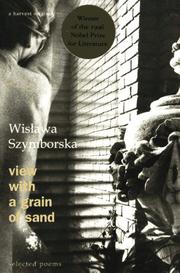
Szymborska’s work is characterized by a deceptive lightness that masks deeper contemplation. She frequently employed irony, wit, and imaginative leaps to interrogate big questions: the nature of love, the randomness of fate, the weight of history. Her distinctive style favors short, accessible lines and conversational tone, yet her poems contain surprising philosophical depth. Collections like View with a Grain of Sand and The End and the Beginning showcase her gift for finding universal truths in the particular and seemingly insignificant. Her essay collection Nonrequired Reading further demonstrated her wide-ranging intellectual interests.
Within world literature, Szymborska represents a crucial strand of Central European poetry that emerged from the political upheavals of the mid-twentieth century. Though she wrote in Polish, her work transcended regional boundaries through translations that captured her unique voice. She maintained an almost humble relationship with her own prominence, letting her poems speak with their characteristic blend of tenderness, skepticism, and wonder rather than seeking to dominate the literary conversation.