Wole Soyinka
1986 Nobel Prize in Literature · Browse all books on Amazon ↗
Wole Soyinka stands as one of Africa’s most consequential literary voices and the first African writer to win the Nobel Prize in Literature, an honor he received in 1986. Born in Nigeria, Soyinka has spent decades as both a towering creative force and an unflinching political dissident, using his art to interrogate power, injustice, and the human condition. His influence extends far beyond the page—he has shaped how the world understands African literature and demonstrated that writers from the Global South could claim the highest international recognition not through compromise, but through uncompromising artistic excellence and moral clarity.
Soyinka’s distinctive style blends indigenous Yoruba cultural traditions with modernist theatrical experimentation and philosophical depth. His plays, including works like Death and the King’s Horseman and The Road, are densely layered with mythological allusion, linguistic inventiveness, and dark humor that can shift rapidly between the comic and the tragic. Whether writing drama, poetry, fiction, or essays, he explores how individual consciousness grapples with history, tradition, and tyranny. His recurring preoccupation with ritual, mortality, and the collision between tradition and modernity gives his work a timeless quality while remaining urgently engaged with contemporary political struggle.
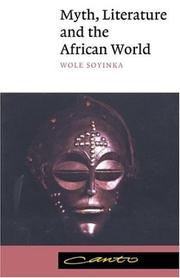
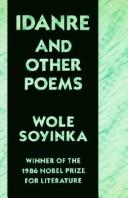
Beyond his literary creations, Soyinka’s essays and critical writings—including Myth, Literature and the African World—have proven equally influential, offering profound meditations on the relationship between art and society. His willingness to face imprisonment and exile rather than remain silent under authoritarian rule established him as a model of the writer as witness and conscience. Through novels like The Interpreters and Season of Anomy, poetry collections such as Idanre and Other Poems, and memoirs including *Ake: The Years of