Yasunari Kawabata
1968 Nobel Prize in Literature · Browse all books on Amazon ↗
Yasunari Kawabata stands as one of the twentieth century’s most significant literary voices and a pivotal figure in bringing Japanese modernist literature to international prominence. When he received the Nobel Prize in Literature in 1968, the Swedish Academy recognized not only the beauty of his prose but also his role in bridging traditional Japanese aesthetic sensibilities with contemporary literary concerns. His work fundamentally shaped how the world understood Japanese literature, establishing him as a master craftsman whose influence extended far beyond his native country.
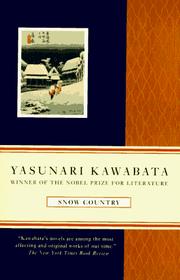
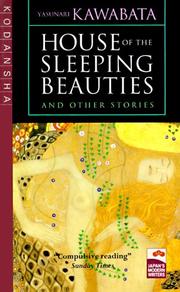
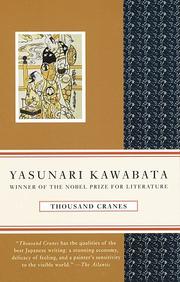
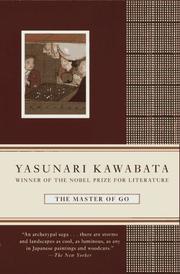
Kawabata’s distinctive style is marked by a delicate, almost impressionistic approach to language—spare yet luminous, often conveying profound emotional depths through subtle suggestion rather than explicit declaration. His recurring preoccupations center on themes of transience, loneliness, and the bittersweet nature of human connection, often explored through carefully observed moments of beauty tinged with melancholy. Works like Snow Country, The Sound of the Mountain, and Thousand Cranes demonstrate his gift for capturing the ineffable qualities of aesthetic experience while exploring the psychological complexities of desire, aging, and loss. Whether examining the world of traditional arts in The Master of Go or the troubling attraction in The House of the Sleeping Beauties, Kawabata consistently drew from both classical Japanese literary traditions and modern psychological insight.
His place in world literature reflects a unique cultural position: he was simultaneously rooted in Japan’s ancient poetic traditions and deeply engaged with twentieth-century modernism, creating work that felt both timeless and urgently contemporary. This synthesis made him instrumental in demonstrating that Japanese literature possessed not merely exotic charm but universal depth and sophistication.