Booker Prize 2000s: A decade of winners
The 2000s were a pivotal decade for the Booker Prize, a period when the award seemed to capture something essential about how fiction itself was evolving. As the literary world grappled with globalization, postcolonial voices, and experimental narrative forms, the Booker Prize became a barometer of these shifts—awarding works that ranged from Margaret Atwood’s meticulously layered The Blind Assassin to Yann Martel’s transcendent Life of Pi, each winner reflecting a different facet of contemporary storytelling. The decade began with established literary titans and gradually shifted toward writers from the Global South and Ireland, suggesting a quiet but unmistakable recalibration in what the prize considered essential reading.
What made this era particularly fascinating was the Booker Prize’s willingness to embrace both maximalist ambition and intimate psychological depth. Peter Carey’s audacious True History of the Kelly Gang brought Australian vernacular into high literary discourse, while Alan Hollinghurst’s The Line of Beauty explored queer desire with unprecedented nuance in a prize-winning novel. By decade’s end, when Hilary Mantel’s Wolf Hall claimed victory, historical fiction had been rehabilitated as serious literature—a validation that would reverberate well into the 2010s. Yet it was perhaps Aravind Adiga’s explosive debut The White Tiger in 2008 that best encapsulated the moment: a raw, darkly comic portrait of contemporary India that announced a new generation of writers reshaping the literary landscape.
Browse the complete list of Booker Prize winners from the 2000s below to revisit this remarkable decade:
2000
Fiction
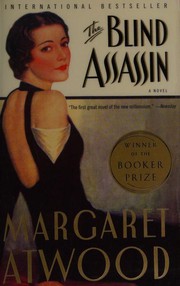 The Blind Assassin by Margaret Atwood
2001
Fiction
 True History of the Kelly Gang by Peter Carey
2002
Fiction
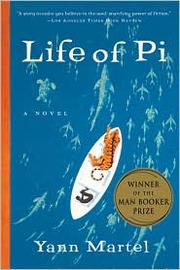 Life of Pi by Yann Martel
2003
Fiction
- Vernon God Little by DBC Pierre
2004
Fiction
- The Line of Beauty by Alan Hollinghurst
2005
Fiction
 The Sea by John Banville
2006
Fiction
- The Inheritance of Loss by Kiran Desai
2007
Fiction
- The Gathering by Anne Enright
2008
Fiction
- The White Tiger by Aravind Adiga
2009
Fiction
- Wolf Hall by Hilary Mantel