Booker Prize 2020s: A decade of winners
The 2020s proved to be a transformative period for the Booker Prize, marked by an unmistakable shift toward literary voices grappling with grief, displacement, and historical wounds. When Douglas Stuart’s Shuggie Bain claimed the prize in 2020, it signaled the award’s appetite for intimate, unflinching family narratives—a tenor that would persist throughout the decade. Stuart’s debut, set in 1980s Glasgow during Thatcherism’s unraveling, offered readers a tender but devastating portrait of queer adolescence and maternal struggle, proving that the Booker Prize had little patience for sentimental comfort. The years that followed doubled down on this impulse, with the award repeatedly honoring writers who excavated the messy legacies of colonialism, war, and social fracture.
What’s striking about this particular run of Booker Prize fiction is its geographic and thematic restlessness. Damon Galgut’s The Promise and Shehan Karunatilaka’s The Seven Moons of Maali Almeida pushed the award toward postcolonial reckonings—one set in post-apartheid South Africa, the other in Sri Lanka’s brutal civil war—while Paul Lynch’s Prophet Song arrived in 2023 to grapple with authoritarian violence in an unnamed African state. By 2024, when Samantha Harvey’s Orbital claimed the prize with its meditative, almost transcendent vision of the International Space Station, the Booker Prize seemed to be exhaling, suggesting that even amid earthly chaos, literature might find moments of weightlessness and wonder. Together, these five winners form a portrait of a prize increasingly attuned to the world’s moral complexities and the particular power of fiction to bear witness.
Below, explore the complete list of Booker Prize winners from 2020 through 2024:
2020
Fiction
- Shuggie Bain by Douglas Stuart
2021
Fiction
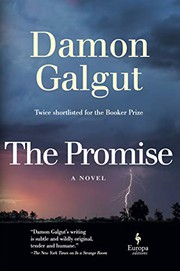 The Promise by Damon Galgut
2022
Fiction
- The Seven Moons of Maali Almeida by Shehan Karunatilaka
2023
Fiction
 Prophet Song by Paul Lynch
2024
Fiction
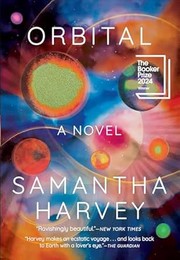 Orbital by Samantha Harvey