Caldecott Medal 1930s: A decade of winners
The 1930s marked a formative chapter in American children’s literature, and the Caldecott Medal—America’s most prestigious award for picture book illustration—played a vital role in elevating the artistic standards of books for young readers. Established in 1937 to honor the most distinguished American picture books, the award arrived at a moment when publishers and illustrators were reimagining what children’s books could be aesthetically. During an era shadowed by economic depression, these illustrated volumes offered families accessible beauty and imaginative escape, making the Caldecott Medal winners of this decade particularly significant cultural artifacts.
Among the standout honorees, Dorothy P. Lathrop’s Animals of the Bible (1938) demonstrated the award’s commitment to both artistic excellence and educational value, bringing biblical fauna to life through meticulous, naturalistic illustration. The following year, Thomas Handforth’s Mei Li (1939) transported young readers across the globe with vibrant depictions of Chinese life and culture, reflecting a growing internationalism in children’s publishing. These winners reveal how Caldecott Medal judges of the period championed illustrators who could balance imaginative storytelling with technical mastery, setting a standard that would influence picture book illustration for generations.
Below, explore the full roster of 1930s Caldecott winners and the artistic movements that shaped this remarkable decade in children’s literature.
1938
Picture Books
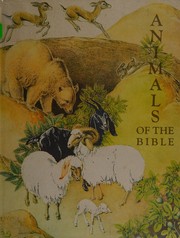 Animals of the Bible by Dorothy P. Lathrop
1939
Picture Books
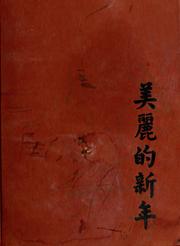 Mei Li by Thomas Handforth