Arthur C. Clarke Award 1980s: A decade of winners
The 1980s represented a pivotal moment for science fiction and the Arthur C. Clarke Award itself. As the decade progressed, the genre was undergoing a profound shift—away from the techno-optimism of earlier eras and toward darker, more introspective explorations of power, environment, and human vulnerability. The Clarke Award, established to honor the year’s most outstanding science fiction novel, became a crucial barometer of these changing literary currents. Winners during this period reflected an industry increasingly willing to interrogate the social implications of technological change rather than simply celebrate it.
Margaret Atwood’s The Handmaid’s Tale stands as perhaps the decade’s most significant Clarke Award victory, claiming the prize in 1987 and immediately cementing itself as a modern classic. Atwood’s unflinching portrait of a patriarchal dystopia proved that speculative fiction could function as urgent social commentary without sacrificing literary sophistication—a lesson that rippled through the science fiction establishment. The following years saw the award recognize similarly ambitious work: George Turner’s The Sea and Summer offered a harrowing vision of environmental collapse in near-future Australia, while Rachel Pollack’s Unquenchable Fire brought visionary, almost mythic sensibilities to the Clarke shortlist in 1989, signaling the award’s embrace of experimental narrative forms alongside more conventional futurism.
These three winners capture something essential about science fiction’s evolution during the decade—a genre maturing into its role as a serious literary medium for examining the world as it actually was, not merely as it might fantastically become.
Browse the full list of 1980s Arthur C. Clarke Award winners below:
1987
Science Fiction
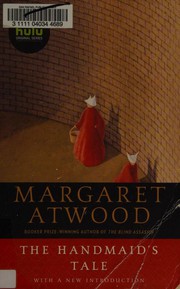 The Handmaid’s Tale by Margaret Atwood
1988
Science Fiction
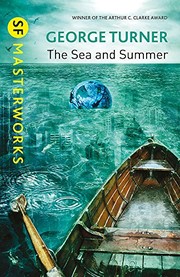 The Sea and Summer by George Turner
1989
Science Fiction
 Unquenchable Fire by Rachel Pollack