Edgar Awards 1940s: A decade of winners
The 1940s were a transformative decade for crime fiction in America, and nowhere is that evolution more apparent than in the Edgar Awards, the Mystery Writers of America’s prestigious honors that debuted in the mid-1940s. As the nation emerged from World War II, readers hungered for sophisticated mysteries and psychological thrillers that reflected the darker complexities of the modern world. The early Edgar winners captured this shift perfectly—they weren’t merely puzzle boxes, but explorations of human nature, guilt, and obsession that would come to define the postwar mystery landscape. The award itself was still finding its footing during these formative years, establishing categories and recognizing both established craftsmanship and bold newcomers.
The decade’s standout debut novelists left an indelible mark on the genre. Fredric Brown’s The Fabulous Clipjoint (1948) practically redefined what a first mystery novel could be—a whirlwind of dark humor and hard-boiled energy that announced a major talent to the world. Helen Eustis’s The Horizontal Man (1947) took a different tack, offering psychological depth and literary sophistication that proved crime fiction could satisfy both commercial and critical appetites. Meanwhile, the Edgars’ recognition of fact-crime works like Edward D. Radin’s Twelve Against the Law (1948) demonstrated that the awards valued rigorous investigative journalism alongside inventive storytelling. These winners showcase a decade when American mystery writing was reaching new heights of ambition and artistry.
Below you’ll find the complete roster of Edgar Award winners from the 1940s, a period that set the standard for generations of crime writers to come.
1946
Best First Novel
- Watchful at Night by Julius Fast
1947
Best First Novel
- The Horizontal Man by Helen Eustis
1948
Best Fact Crime
- Twelve Against the Law by Edward D. Radin
Best First Novel
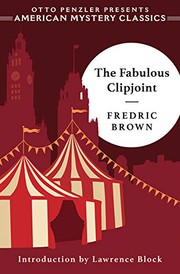 The Fabulous Clipjoint by Fredric Brown
1949
Best Fact Crime
- Regional Murder by Marie Rodell(editor)
Best First Novel
- The Room Upstairs by Mildred B. Davis