Edgar Awards 1950s: A decade of winners
The 1950s were a transformative era for American crime fiction, and the Edgar Awards—the Mystery Writers of America’s annual celebration of excellence—captured that evolution brilliantly. Named after Edgar Allan Poe, the awards had only recently begun establishing themselves as the gold standard for mystery and suspense writing. This was the decade when hard-boiled detective fiction matured into something more psychologically complex, when women writers began commanding serious recognition in a genre long dominated by men, and when the line between the thriller and literary novel began to blur. The Edgar winners of these ten years showcase that shift vividly: Raymond Chandler’s The Long Goodbye, the final masterpiece by the creator of Philip Marlowe, landed the 1955 award, while Margaret Millar’s Beast in View claimed 1956, proving that psychological suspense could be just as gripping as any shootout or murder scheme.
What’s particularly striking about this decade’s winners is how many tackled the darker recesses of human motivation—the poisoned marriages, the fractured psyches, the ordinary people driven to extraordinary desperation. Charlotte Jay’s Beat Not the Bones (1954) and Charlotte Armstrong’s A Dram of Poison (1957) both mined the tensions of intimate relationships, while Stanley Ellin’s The Eighth Circle (1959) and Ed Lacy’s Room to Swing (1958) explored themes of race, morality, and social pressure with an unflinching eye. These weren’t simple whodunits; they were explorations of character and consequence that elevated the mystery genre into something with real literary heft.
Below, explore the complete list of Edgar Award winners from the 1950s and discover how these masterworks shaped the crime fiction that followed.
1954
Best Novel
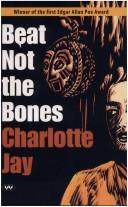 Beat Not the Bones by Charlotte Jay
1955
Best Novel
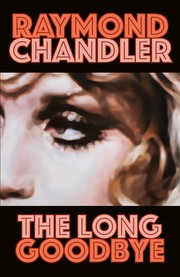 The Long Goodbye by Raymond Chandler
1956
Best Novel
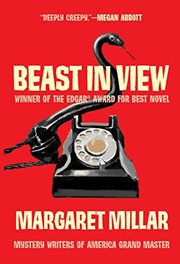 Beast in View by Margaret Millar
1957
Best Novel
 A Dram of Poison by Charlotte Armstrong
1958
Best Novel
- Room to Swing by Ed Lacy
1959
Best Novel
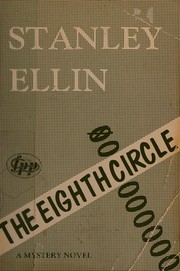 The Eighth Circle by Stanley Ellin