Edgar Awards 1960s: A decade of winners
The 1960s were a transformative decade for American crime fiction, and nowhere was this more evident than in the Edgar Awards, the Mystery Writers of America’s prestigious honor celebrating the year’s finest detective and thriller writing. While the Edgars recognized excellence across multiple categories, the decade’s juvenile mystery winners reveal something particularly fascinating about how the era approached young readers’ literature. This was a time when mystery stories for children weren’t considered lesser cousins to adult crime fiction—they were laboratories for narrative innovation, places where authors like Phyllis A. Whitney (who claimed two best juvenile Edgars during the decade) crafted intricate puzzles that demanded genuine detective work from their audiences.
What strikes you looking back at these ten years is how the Edgar Awards themselves evolved alongside the culture. The early 1960s celebrated cleverly plotted whodunits with titles like The Mystery of the Haunted Pool, while by decade’s end, winners like Virginia Hamilton’s groundbreaking The House of Dies Drear (1969) signaled a seismic shift toward more socially conscious storytelling that integrated mystery with deeper questions about race, history, and belonging. Between these poles sat witty adventures like Kin Platt’s Sinbad and Me (1967) and atmospheric page-turners that proved the form was anything but predictable. The Edgar Awards tracked this journey with remarkable sensitivity, recognizing that mystery fiction for young people was maturing in real time.
Below, you’ll find the complete roster of Edgar Award best juvenile winners from the 1960s, each a snapshot of what captivated readers and impressed the Mystery Writers of America during one of the most dynamic decades in American letters.
1961
Best Juvenile
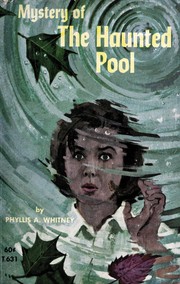 The Mystery of the Haunted Pool by Phyllis A. Whitney
1962
Best Juvenile
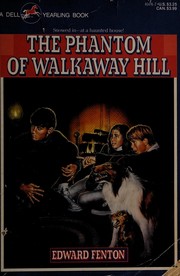 The Phantom of Walkaway Hill by Edward Fenton
1963
Best Juvenile
- Cutlass Island by Scott Corbett
1964
Best Juvenile
- Mystery of the Hidden Hand by Phyllis A. Whitney
1965
Best Juvenile
- Mystery at Crane’s Landing by Marcella Thum
1966
Best Juvenile
- The Mystery of 22 East by Leon Ware
1967
Best Juvenile
- Sinbad and Me by Kin Platt
1968
Best Juvenile
- Signpost to Terror by Gretchen Sprague
1969
Best Juvenile
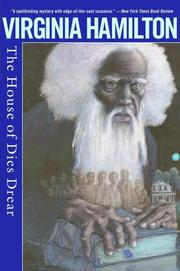 The House of Dies Drear by Virginia Hamilton