Edgar Awards 2000s: A decade of winners
The 2000s proved to be a transformative era for the Edgar Awards, the Mystery Writers of America’s prestigious honors that have defined excellence in crime fiction since 1946. As the decade unfolded, the awards continued to celebrate not just the thrilling plots and clever detectives that define the mystery genre, but also the scholarly work that illuminates its greatest figures. The early 2000s saw the Edgar Awards expand their reach across an increasingly diverse publishing landscape, recognizing everything from traditional whodunits to psychological thrillers that pushed genre boundaries. It was a time when mystery fiction itself was evolving—becoming more intricate in its plotting, more ambitious in its scope, and increasingly willing to blend literary sophistication with the page-turning appeal that mystery readers craved.
Among the most fascinating developments in this decade was the Edgar Awards’ deepening engagement with biographical and critical works celebrating the genre’s foundational figures. In 2008, Jon Lellenberg, Daniel Stashower, and Charles Foley’s Arthur Conan Doyle: A Life in Letters captured the Best Critical/Biographical Work award, offering readers a deeply researched portrait of the man who created Sherlock Holmes—a figure so influential that his detective remains synonymous with mystery itself. The following year, Dr. Harry Lee Poe’s Edgar Allan Poe: An Illustrated Companion to his Tell-Tale Stories continued this trend, reminding the mystery community of its literary roots. These recognitions reflected a broader recognition within the awards that the genre’s past was as worthy of investigation as its present.
Below, explore the full landscape of the 2000s Edgar Awards winners and discover how this decade shaped the mystery fiction we read today.
2008
Best Critical/Biographical Work
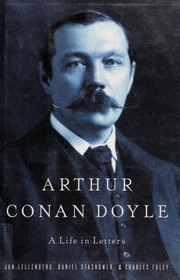 Arthur Conan Doyle: A Life in Letters by Jon Lellenberg,Daniel Stashower, and Charles Foley
2009
Best Critical/Biographical Work
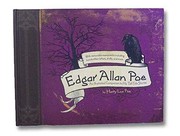 Edgar Allan Poe: An Illustrated Companion to his Tell-Tale Stories by Dr.Harry Lee Poe