Giller Prize 1990s: A decade of winners
The 1990s were a formative decade for the Governor General’s Literary Award for Fiction, better known as the Giller Prize, as it established itself as one of Canada’s most prestigious literary honors. This was an era when Canadian fiction was asserting itself on the global stage, and the Giller Prize became instrumental in championing voices that were both distinctly regional and universally resonant. The decade saw the award gravitate toward ambitious, character-driven narratives that grappled with identity, history, and the complexities of human connection. Winners like M. G. Vassanji, whose The Book of Secrets opened the decade, and Rohinton Mistry, whose sprawling masterpiece A Fine Balance won the year after, demonstrated the Giller Prize’s commitment to writers exploring diaspora and belonging with philosophical depth.
What’s striking about the Giller Prize winners of the ’90s is how they balanced literary innovation with narrative accessibility. Margaret Atwood’s Alias Grace brought historical fiction into conversation with postmodern technique, while Mordecai Richler’s Barney’s Version proved that comic sensibility and formal experimentation could coexist. By decade’s end, with Alice Munro’s The Love of a Good Woman and Bonnie Burnard’s A Good House, the prize had made clear that it valued stories of ordinary people confronting extraordinary moral and emotional terrain. These weren’t books chasing trends; they were books that seemed inevitable in hindsight, works that deepened what Canadian literature could accomplish.
Below is the full decade of Giller Prize winners that shaped this remarkable period:
1994
Fiction
- The Book of Secrets by M. G. Vassanji
1995
Fiction
- A Fine Balance by Rohinton Mistry
1996
Fiction
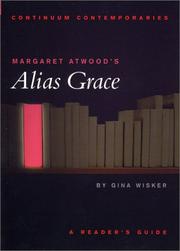 Alias Grace by Margaret Atwood
1997
Fiction
- Barney’s Version by Mordecai Richler
1998
Fiction
 The Love of a Good Woman by Alice Munro
1999
Fiction
 A Good House by Bonnie Burnard