Giller Prize 2020s: A decade of winners
The first five years of the Giller Prize in the 2020s tell a story about Canadian literature confronting itself—its silences, its blind spots, its capacity for transformation. Beginning with Souvankham Thammavongsa’s luminous debut How to Pronounce Knife in 2020, the award seemed to signal a deliberate shift toward voices that had long existed at the margins of our national literary conversation. Thammavongsa’s collection of interconnected stories about Lao-Canadian experiences arrived at a moment when the country was being forced to reckon with questions of belonging and identity, and her win felt less like a surprising upset and more like a long-overdue recognition. The Giller, Canada’s most prestigious English-language literary prize, was listening differently.
That momentum only deepened in the years that followed. Omar El Akkad’s What Strange Paradise in 2021 brought urgent moral questions about displacement and the border to the forefront, while Suzette Mayr’s The Sleeping Car Porter in 2022 excavated forgotten histories of Black Canadian experience with novelistic sophistication that demanded reassessment. By the time Sarah Bernstein won in 2023 with the formally daring Study for Obedience and Anne Michaels claimed victory in 2024 with Held, it was clear that the prize had evolved into something more adventurous—rewarding not just fine writing, but writing that pushed against the boundaries of what Canadian fiction could be and say. The decade’s winners shared little in common except an uncompromising artistic vision and stories too important to ignore.
Curious to trace how this evolution unfolded year by year? Explore the full decade of Giller Prize winners below.
2020
Fiction
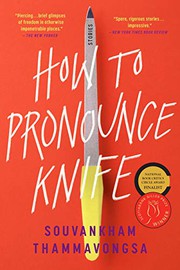 How to Pronounce Knife by Souvankham Thammavongsa
2021
Fiction
- What Strange Paradise by Omar El Akkad
2022
Fiction
 The Sleeping Car Porter by Suzette Mayr
2023
Fiction
- Study for Obedience by Sarah Bernstein
2024
Fiction
- Held by Anne Michaels