Hugo Awards 1970s: A decade of winners
The 1970s Hugo Awards represent something remarkable in science fiction history: a decade where the genre’s most celebrated works grappled with profound philosophical questions while maintaining the sense of wonder that drew readers in the first place. These were years when the field expanded beyond space opera into territory that felt genuinely challenging—explorations of gender, politics, consciousness, and what it meant to be human in a universe far larger than ourselves. Ursula K. Le Guin’s The Left Hand of Darkness opened the decade by winning Best Novel, setting the tone for a period that would see Le Guin herself dominate the awards alongside heavy hitters like Isaac Asimov, Arthur C. Clarke, and Harlan Ellison. The Hugo Awards, voted on by science fiction fandom at the World Science Fiction Convention, had become the field’s most prestigious honor, and the winners of this decade would define what serious science fiction could be.
What’s striking about tracking the 1970s Hugo winners is how they chart the genre’s evolution from the space adventure tradition into something more introspective. Ringworld by Larry Niven and Rendezvous With Rama by Arthur C. Clarke still delivered that classic sense of cosmic scale and engineering wonder, but works like The Dispossessed and The Gods Themselves wielded science fiction as a tool for examining social systems and theoretical physics with equal weight. The shorter fiction categories became equally adventurous, with Fritz Leiber, Poul Anderson, and others crafting stories that ranged from sword-and-sorcery elegance to hard SF precision to pure emotional resonance. By decade’s end, with Vonda N. McIntyre’s Dreamsnake taking the 1979 Novel award, it was clear the field had opened its doors to more diverse voices and perspectives than ever before.
Browse the complete list of 1970s Hugo Award winners below to discover the stories that shaped a generation of science fiction readers and writers.
1970
Best Novel
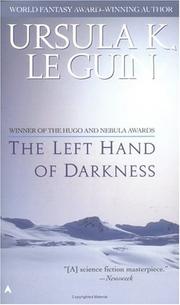 The Left Hand of Darkness by Ursula K. Le Guin
Best Novella
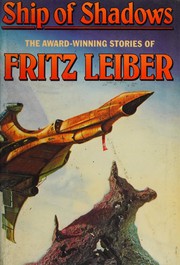 Ship of Shadows by Fritz Leiber
Best Short Story
- Time Considered as a Helix of Semi-Precious Stones by Samuel R. Delany
1971
Best Novel
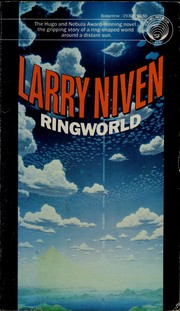 Ringworld by Larry Niven
Best Novella
 Ill Met in Lankhmar by Fritz Leiber
Best Short Story
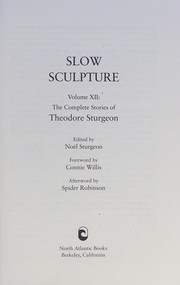 Slow Sculpture by Theodore Sturgeon
1972
Best Novel
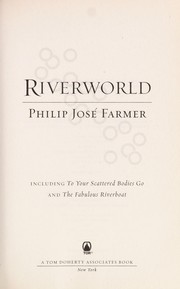 To Your Scattered Bodies Go by Philip José Farmer
Best Novella
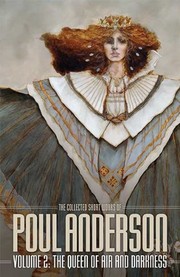 The Queen of Air and Darkness by Poul Anderson
Best Short Story
- Inconstant Moon by Larry Niven
1973
Best Novel
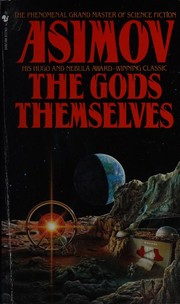 The Gods Themselves by Isaac Asimov
Best Novelette
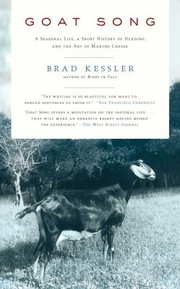 Goat Song by Poul Anderson
Best Novella
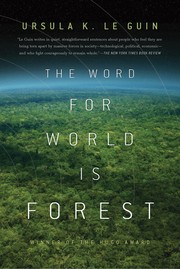 The Word for World is Forest by Ursula K. Le Guin
Best Short Story
- Eurema’s Dam by R. A. Lafferty
1974
Best Novel
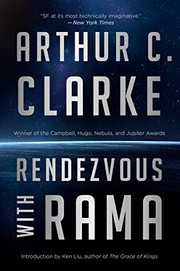 Rendezvous With Rama by Arthur C. Clarke
Best Novelette
- The Deathbird by Harlan Ellison
Best Novella
 The Girl Who Was Plugged In by James Tiptree
Best Short Story
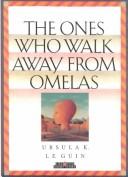 The Ones Who Walk Away from Omelas by Ursula K. Le Guin
1975
Best Novel
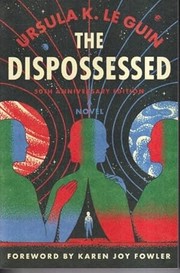 The Dispossessed by Ursula K. Le Guin
Best Novelette
- Adrift Just Off the Islets of Langerhans by Harlan Ellison
Best Novella
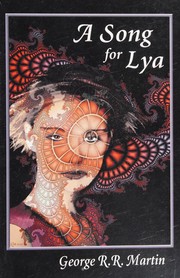 A Song for Lya by George R. R. Martin
Best Short Story
- The Hole Man by Larry Niven
1976
Best Novel
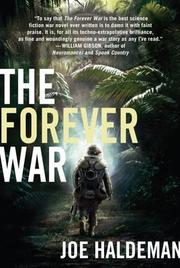 The Forever War by Joe Haldeman
Best Novelette
- The Borderland of Sol by Larry Niven
Best Novella
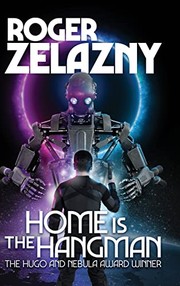 Home Is the Hangman by Roger Zelazny
Best Short Story
- Catch That Zeppelin! by Fritz Leiber
1977
Best Novel
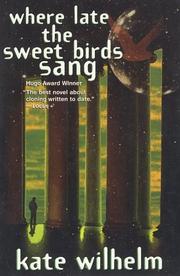 Where Late the Sweet Birds Sang by Kate Wilhelm
Best Novelette
- The Bicentennial Man by Isaac Asimov
Best Novella
- By Any Other Name by Spider Robinson
Best Short Story
- Tricentennial by Joe Haldeman
1978
Best Novel
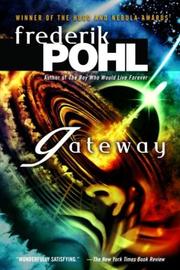 Gateway by Frederik Pohl
Best Novelette
- Eyes of Amber by Joan D. Vinge
Best Novella
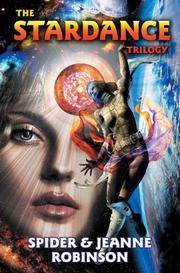 Stardance by Spider Robinson and Jeanne Robinson
Best Short Story
- Jeffty Is Five by Harlan Ellison
1979
Best Novel
- Dreamsnake by Vonda N. McIntyre
Best Novelette
- Hunter’s Moon by Poul Anderson
Best Novella
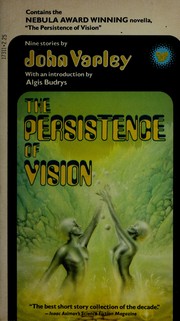 The Persistence of Vision by John Varley
Best Short Story
- Cassandra by C. J. Cherryh