Hugo Awards 1996: Complete list of winners
The 1996 Hugo Awards celebrated science fiction that pushed the boundaries of imagination in refreshingly different directions. Neal Stephenson’s The Diamond Age took home the Best Novel prize, a sprawling, ambitious work that blended nanotechnology with coming-of-age storytelling in ways that felt genuinely novel. The recognition reflected the field’s growing appetite for hard SF grounded in plausible technological futures—a trend that would define much of the decade’s most celebrated work. Beyond the top prize, the awards showcased remarkable diversity in form and theme, from thought-provoking shorter works to stories that interrogated everything from artificial intelligence to historical tragedy.
What made this particular Hugo Awards year especially compelling was how the winners across all categories demonstrated science fiction’s capacity for moral complexity. James Patrick Kelly’s novelette “Think Like a Dinosaur” and Allen Steele’s novella The Death of Captain Future both grappled with ethical dilemmas in distinctive voices, while Maureen F. McHugh’s short story “The Lincoln Train” offered intimate human stakes against a backdrop of speculative transformation. The 1996 Hugos, voted on by members of the World Science Fiction Convention, felt like a snapshot of a field in conversation with itself—serious, inventive, and unafraid to ask difficult questions.
Here’s a closer look at this year’s complete list of winners:
Best Novel
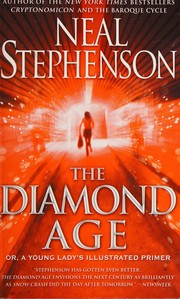 The Diamond Age by Neal Stephenson
Best Novelette
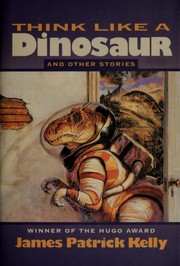 Think Like a Dinosaur by James Patrick Kelly
Best Novella
- The Death of Captain Future by Allen Steele
Best Short Story
- The Lincoln Train by Maureen F. McHugh