Hugo Awards 2019: Complete list of winners
The 2019 Hugo Awards delivered a celebration of imaginative storytelling that reflected the science fiction and fantasy community’s evolving tastes, with several winners whose work would go on to define conversations about the genre for years to come. Mary Robinette Kowal’s The Calculating Stars claimed Best Novel with its alternate history vision of the space race, while Martha Wells’ Artificial Condition won Best Novella, introducing readers to the beloved Murderbot character who would captivate audiences well beyond this single award season. The wins spanned an impressive range of formats and styles, from Marjorie Liu’s visually stunning Monstress, Volume 3: Haven in Best Graphic Story to Zen Cho’s inventive novelette and Alix E. Harrow’s darkly witty short story, signaling that the Hugo Awards—science fiction’s most prestigious honor since 1953—was recognizing the full spectrum of contemporary speculative work.
What stands out about this year’s winners is how many have become touchstones for their respective subgenres. Becky Chambers’ Wayfarers series claimed Best Series honors, reflecting the growing prominence of serialized storytelling within the awards’ consideration. The 2019 Hugo Awards winners also demonstrated the influence of diverse voices and perspectives shaping where science fiction and fantasy were headed, with several authors bringing fresh approaches to portal fantasies, space exploration narratives, and character-driven speculative fiction that prioritized emotional depth alongside world-building spectacle. Below you’ll find the complete list of this year’s victors across all major categories.
Best Graphic Story
- Monstress , Volume 3: Haven by Marjorie Liu
Best Novel
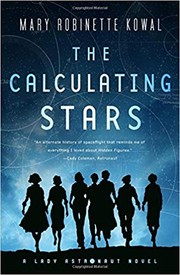 The Calculating Stars by Mary Robinette Kowal
Best Novelette
Best Novella
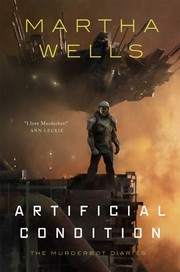 Artificial Condition by Martha Wells
Best Series
- Wayfarers by Becky Chambers
Best Short Story
- A Witch’s Guide to Escape: A Practical Compendium of Portal Fantasies by Alix E. Harrow