Hugo Awards 2020: Complete list of winners
The 2020 Hugo Awards celebrated a year of science fiction and fantasy that leaned boldly into experimental storytelling and diverse voices. Arkady Martine’s A Memory Called Empire took home the Hugo for Best Novel, a Byzantine-inspired space opera that had readers mesmerized with its intricate political maneuvering and richly built world. Meanwhile, This Is How You Lose the Time War, the luminous novella collaboration between Amal El-Mohtar and Max Gladstone, proved that the most intimate science fiction can unfold across the vastness of time itself. Nnedi Okorafor’s LaGuardia brought the Hugo for Best Graphic Story, adding her distinctive vision to the medium and underscoring how the awards continue to recognize visual storytelling alongside traditional prose.
This particular Hugo Awards year felt like a turning point for the ceremony’s commitment to marginalized perspectives and innovative formats. N.K. Jemisin earned recognition for Emergency Skin in the Best Novelette category, while Naomi Kritzer’s Catfishing on CatNet won Best YA Book, both selections signaling that the awards voters were celebrating work that spoke to contemporary anxieties and identities. Meanwhile, James S.A. Corey’s The Expanse continued its dominance in the Best Series category, a testament to how sustained worldbuilding and character development can captivate the science fiction community year after year. S.L. Huang rounded out the prose winners with Best Short Story for As the Last I May Know, another indicator of the year’s depth.
Here’s the complete breakdown of the 2020 Hugo Award winners across all categories:
Best Graphic Story
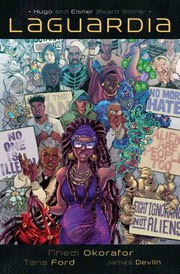 LaGuardia by Nnedi Okorafor
Best Novel
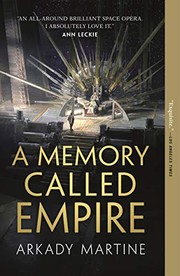 A Memory Called Empire by Arkady Martine
Best Novelette
- Emergency Skin by N.K. Jemisin ( Forward Collection (Amazon))
Best Novella
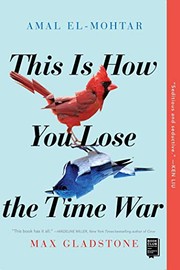 This Is How You Lose the Time War by Amal El-Mohtar and Max Gladstone
Best Series
- The Expanse by James S. A. Corey
Best Short Story
- As the Last I May Know by S.L. Huang
Best YA Book
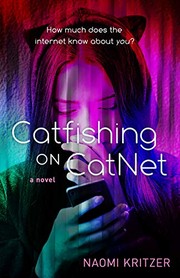 Catfishing on CatNet by Naomi Kritzer