Lambda Literary Awards 1980s: A decade of winners
The 1980s marked a watershed moment for LGBTQ+ literature in America, and the Lambda Literary Awards emerged as the crucial institution documenting this renaissance. Founded in 1989, the Lambda Literary Awards arrived at a pivotal juncture—just as AIDS was reshaping the cultural landscape and queer voices were demanding visibility on bookstore shelves and in literary conversations that had long excluded them. What began as a single awards ceremony in New York quickly became the most prestigious recognition of lesbian, gay, bisexual, and transgender writing in the English language, validating an entire body of literature that mainstream institutions had systematically overlooked.
The inaugural Lambda Literary Awards celebrated work that had been quietly accumulating throughout the decade, finally shining a spotlight on writers who’d been publishing in small presses, independent bookstores, and literary journals for years. Edmund White’s The Beautiful Room Is Empty, which won Gay Fiction that first year, exemplified the kind of ambitious, introspective literary achievement the awards sought to honor—a semi-autobiographical novel that traced a young man’s coming of age and sexual awakening with unflinching honesty. Alongside it, Dorothy Allison’s Trash: Short Stories claimed the Lesbian Fiction prize, her raw, working-class narratives challenging both heteronormative and middle-class assumptions about what queer stories could be. These inaugural winners set the tone for what the Lambda Literary Awards would become: not merely a celebration, but a literary establishment for writers who’d been denied one.
Explore the full roster of Lambda Literary Award winners throughout the 1980s below.
1989
Gay Fiction
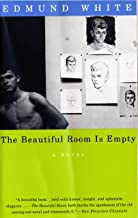 The Beautiful Room Is Empty by Edmund White
Lesbian Fiction
- Trash: Short Stories by Dorothy Allison