National Book Award 1960s: A decade of winners
The 1960s were a transformative moment for American poetry, and the National Book Award—one of the country’s most prestigious literary honors—captured that shift with remarkable clarity. This was the era when poets began turning inward, mining their own psychological landscapes and family histories for material that previous generations might have considered too personal, too raw, for serious art. Robert Lowell’s groundbreaking Life Studies opened the decade in 1960, essentially announcing that confessional poetry had arrived; his unflinching examination of mental illness and familial dysfunction would influence nearly everything that followed. Yet the award’s reach during these years proved refreshingly expansive—from the intricate formalism of John Crowe Ransom to the visionary political consciousness of Robert Bly’s The Light Around the Body, which reflected the decade’s growing social upheaval.
What strikes anyone surveying this period is how the National Book Award seemed to recognize both the major figures reshaping American letters and the quieter, equally essential voices building literary infrastructure. James Dickey’s sensual, narrative-driven Buckdancer’s Choice and James Merrill’s elegant Nights and Days represented different aesthetic poles, yet both found validation here. By decade’s end, when John Berryman claimed the prize for His Toy, His Dream, His Rest—the final Dream Songs collection—the award had essentially documented poetry’s pivot from the formalist 1950s toward something more personal, more political, and decidedly more modern. The 1960s National Book Award winners stand as a kind of literary seismograph, recording the tremors of an era in flux.
Below, explore the complete list of winners from this pivotal decade:
1960
Poetry
- Life Studies by Robert Lowell
1961
Poetry
- The Woman at the Washington Zoo: Poems and Translations by Randall Jarrell
1962
Poetry
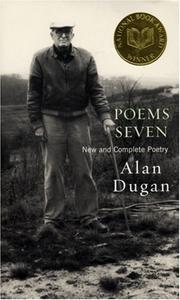 Poems by Alan Dugan
1963
Poetry
- Traveling Through the Dark by William Stafford
1964
Poetry
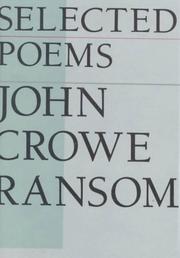 Selected Poems by John Crowe Ransom
1965
Poetry
- The Far Field(posth.) by Theodore Roethke
1966
Poetry
 Buckdancer’s Choice: Poems by James Dickey
1967
Poetry
- Nights and Days by James Merrill
1968
Poetry
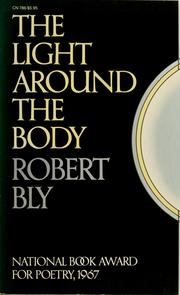 The Light Around the Body by Robert Bly
1969
Poetry
- His Toy, His Dream, His Rest by John Berryman
Young People’s Literature
- Journey from Peppermint Street by Meindert DeJong