National Book Award 1980s: A decade of winners
The 1980s were a pivotal moment for American poetry, and the National Book Award reflected a literary landscape increasingly interested in unflinching introspection and the textures of everyday life. The decade opened with Philip Levine’s Ashes: Poems New and Old, a collection that cemented his reputation as a voice for working-class experience and industrial America—themes that would resonate throughout the era. What’s striking about this period is how the award consistently favored poets who weren’t content with formal experimentation alone; they wanted to say something, to document the interior lives of ordinary Americans with precision and care. The 1980s National Book Award winners were less interested in the avant-garde posturing that had dominated some corners of the 1970s and more focused on a kind of necessary realism—a tradition carried forward by subsequent winners like Lisel Mueller and William Bronk, both of whom brought meditative, observational approaches to their craft.
By mid-decade, the award had begun to honor poets whose work spanned decades, suggesting a growing appetite for retrospection and reassessment. Galway Kinnell and Charles Wright, both honored in 1983, represented different registers of this sensibility: Kinnell brought a raw, almost Whitmanesque expansiveness, while Wright’s Country Music offered a more introspective, jazz-like exploration of memory and landscape. What emerges from tracing these winners across ten years is a portrait of a National Book Award that valued authenticity and depth over novelty—a decade when American poetry turned inward while keeping one eye on the world beyond the page.
To explore the full roster of National Book Award poetry winners from this defining decade, read on below.
1980
Poetry
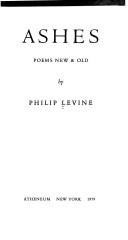 Ashes: Poems New and Old by Philip Levine
1981
Poetry
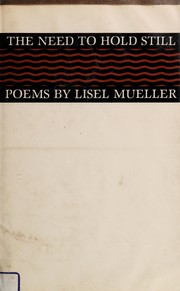 The Need to Hold Still: Poems by Lisel Mueller
1982
Poetry
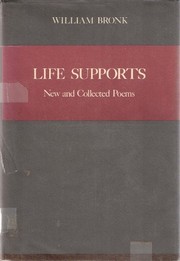 Life Supports: New and Collected Poems by William Bronk
1983
Poetry
- Selected Poems by Galway Kinnell
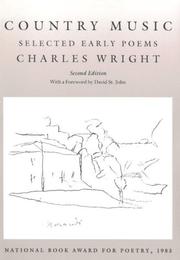 Country Music: Selected Early Poems by Charles Wright