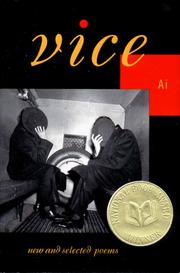
National Book Award 1990s: A decade of winners
The 1990s represented a peculiar golden age for American poetry, a decade when the National Book Award seemed almost designed to celebrate the elder statesmen and women of verse. Throughout the nineties, the National Book Award’s poetry prize consistently honored established voices at the height of their powers, creating a remarkable run of recognition for poets who had spent decades perfecting their craft. This wasn’t a decade of young upstarts or radical experimentalists capturing the prize; instead, it was a period when the award’s judges repeatedly chose to celebrate maturity, wisdom, and the kind of poetic excellence that could only come from a lifetime of devotion to language.
The decade opened with Philip Levine’s What Work Is and closed with Ai’s Vice: New and Selected Poems, bookending a series of extraordinary selections that included luminaries like Mary Oliver, Stanley Kunitz, and William Meredith. What’s striking about this run is how the award seemed to privilege retrospection itself—many of these were selected or new-and-selected collections, acknowledging poets at moments of summation and reflection. A. R. Ammons won for Garbage, a long poem of sprawling ambition that felt both summative and experimental; Hayden Carruth and Gerald Stern both received recognition for careers that had unfolded almost entirely outside the mainstream spotlight.
Looking back, the 1990s National Book Award winners tell a story about American poetry’s turn toward voices of experience and hard-won artistic knowledge. These poets weren’t chasing trends; they were deepening their own singular visions. Below, explore the complete decade and discover how this remarkable period shaped the literary landscape.
1991
Poetry
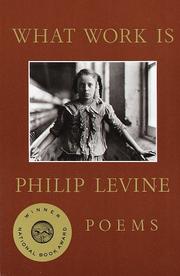 What Work Is by Philip Levine
1992
Poetry
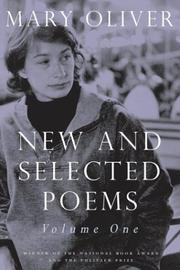 New and Selected Poems(vol. 1 of two) by Mary Oliver
1993
Poetry
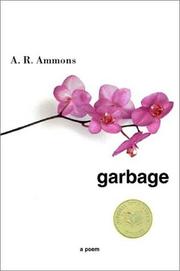 Garbage by A. R. Ammons
1994
Poetry
- Worshipful Company of Fletchers by James Tate
1995
Poetry
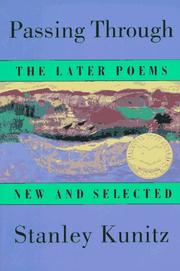 Passing Through: The Later Poems by Stanley Kunitz
1996
Poetry
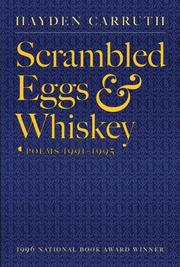 Scrambled Eggs & Whiskey: Poems, 1991–1995 by Hayden Carruth
1997
Poetry
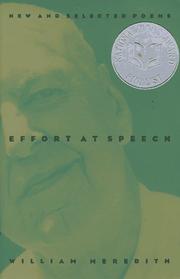 Effort at Speech: New and Selected Poems by William Meredith
1998
Poetry
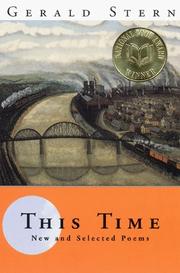 This Time: New and Selected Poems by Gerald Stern