Newbery Medal 1920s: A decade of winners
The 1920s were a pivotal moment for American children’s literature, and the newly established Newbery Medal—first awarded in 1922—became the institution that would help define what children’s books could be. Named after the 18th-century publisher John Newbery, this award arrived during a period when serious consideration of literature written for young readers was still relatively novel. The early winners reflected a remarkable breadth of ambition: historical narratives that taught children about the wider world, fantastical adventures that prioritized imagination, and stories rooted in specific cultures and landscapes that treated young readers with genuine respect.
What’s striking about this first decade is how the Newbery Medal voters seemed committed to recognizing diversity of form and subject matter. Henrik Willem van Loon’s The Story of Mankind won in 1922 with its sweeping scope and unconventional approach to history, while Hugh Lofting’s beloved The Voyages of Doctor Dolittle claimed the 1923 award with pure imaginative delight. Later in the decade, Will James’s Smoky the Cowhorse brought authentic Western perspectives to the prize in 1927, and Dhan Gopal Mukerji’s Gay Neck, the Story of a Pigeon in 1928 introduced readers to narratives shaped by South Asian sensibilities. These weren’t children’s books written down to their audience—they were literature that challenged, educated, and inspired.
As you explore the full list of 1920s Newbery Medal winners below, you’ll encounter the foundation upon which American children’s literature would build for generations to come.
1922
Children’s Literature
- The Story of Mankind by Hendrik Willem van Loon
1923
Children’s Literature
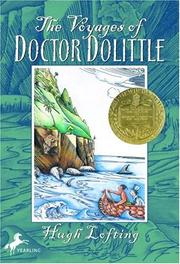 The Voyages of Doctor Dolittle by Hugh Lofting
1924
Children’s Literature
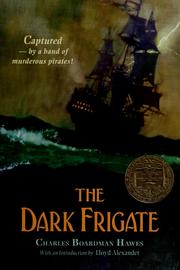 The Dark Frigate by Charles Boardman Hawes
1925
Children’s Literature
- Tales from Silver Lands by Charles Finger
1926
Children’s Literature
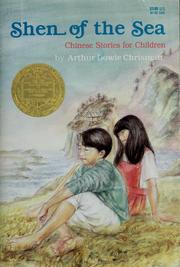 Shen of the Sea by Arthur Bowie Chrisman
1927
Children’s Literature
- Smoky the Cowhorse by Will James
1928
Children’s Literature
- Gay Neck, the Story of a Pigeon by Dhan Gopal Mukerji
1929
Children’s Literature
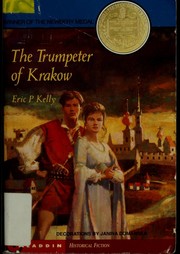 The Trumpeter of Krakow by Eric P. Kelly