Newbery Medal 1936: Complete list of winners
The 1936 Newbery Medal, one of the most prestigious honors in American children’s literature, went to Carol Ryrie Brink for Caddie Woodlawn, a spirited tale that brought frontier life vividly to young readers. The Newbery Medal has long been the gold standard for recognizing exceptional contributions to children’s books, and Brink’s winning novel stands as a testament to the award’s commitment to celebrating stories that resonate across generations. Caddie Woodlawn follows its adventurous red-haired protagonist through the Wisconsin frontier of the 1860s, offering young readers a heroine who breaks gender conventions while remaining authentically rooted in her historical moment.
What made Brink’s work particularly notable in 1936 was its ability to balance genuine historical detail with the kind of humor and heart that appeals to children and adults alike. The novel captures the independence and scrappiness of frontier life while exploring themes of growing up, family loyalty, and the changing American landscape. In choosing Caddie Woodlawn, the Newbery Medal judges recognized a work that would become beloved by generations of readers, establishing itself as a classic that continues to charm audiences more than eight decades later. The book’s enduring appeal speaks to why the Newbery Medal remains such an influential force in identifying the year’s most important children’s literature.
Below, discover more details about this landmark year in children’s publishing.
Children’s Literature
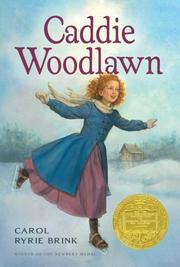 Caddie Woodlawn by Carol Ryrie Brink