Newbery Medal 1939: Complete list of winners
The 1939 Newbery Medal, one of the most prestigious honors in children’s literature, went to Elizabeth Enright for Thimble Summer, a charming novel that captures the magic of a Midwestern childhood during the Great Depression. The American Library Association’s award recognizes excellence in writing for young readers, and Enright’s work exemplifies the kind of thoughtful, imaginative storytelling that has always defined the medal’s winners. What makes Enright’s victory particularly noteworthy is how she grounds her narrative in authentic detail—the rural setting, the resourcefulness of her young protagonist, and the genuine family dynamics—while never losing sight of the wonder and adventure that make reading memorable.
Thimble Summer arrived at a moment when American children’s literature was beginning to explore more complex emotional landscapes and regional American settings. Enright’s novel about a girl named Garnet Lassiter and the transformative summer she spends on her family’s farm stands as a testament to the power of closely observed, character-driven storytelling. The book resonated with the Newbery Medal judges for its prose quality and its ability to render childhood experiences with both humor and depth, establishing Enright as a significant voice in mid-twentieth-century American children’s literature.
Below, you’ll find more details about this landmark year in the Newbery Medal’s history and what made Enright’s achievement stand out among the year’s nominations.
Children’s Literature
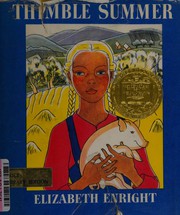 Thimble Summer by Elizabeth Enright