Newbery Medal 1966: Complete list of winners
The 1966 Newbery Medal recognized one of the most beautifully crafted works in children’s literature: Elizabeth Borton de Treviño’s I, Juan de Pareja. This distinguished honor, bestowed annually by the American Library Association to celebrate the most outstanding American children’s books, went to a novel that stands as a testament to the power of historical fiction to illuminate overlooked lives. Treviño’s work offers readers an intimate portrait of Juan de Pareja, the enslaved assistant to the Spanish master painter Diego Velázquez, told from Juan’s own perspective—a narrative choice that was particularly bold and meaningful for 1966, a pivotal year in American civil rights history.
What makes I, Juan de Pareja such a remarkable Newbery Medal winner is the way it weaves authentic historical detail with profound emotional depth. The novel explores themes of dignity, artistic passion, and the possibility of freedom within the constraints of a rigidly hierarchical society, all while providing young readers with a nuanced understanding of seventeenth-century Spain and the art world of the Golden Age. Treviño’s achievement lies not merely in telling an important historical story, but in doing so with literary grace and a narrative voice that feels both period-appropriate and universally resonant. The selection of this work for the Newbery Medal highlighted a growing recognition within children’s literature that young readers were ready for stories that challenged them intellectually and morally.
Below you’ll find complete details about the 1966 Newbery Medal winner and what made this year’s selection significant in the award’s storied history.
Children’s Literature
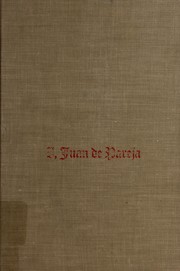 I, Juan de Pareja by Elizabeth Borton de Treviño