Pulitzer Prizes 1920s: A decade of winners
The 1920s Pulitzer Prize winners offer a fascinating window into a decade caught between tradition and radical transformation. These were years of artistic experimentation and cultural ferment, and the Pulitzer Prizes—still in their relative infancy, having debuted in 1917—were themselves evolving, expanding their categories and gaining prestige as arbiters of American literary taste. The winners of this era reflect a nation grappling with modernity: Edith Wharton’s The Age of Innocence and Sinclair Lewis’s Arrowsmith both anatomized American society with unflinching precision, while Thornton Wilder’s The Bridge of San Luis Rey pointed toward more experimental narrative forms. In drama, Eugene O’Neill emerged as the decade’s towering figure, winning multiple times and bringing psychological depth and formal innovation to the American stage that had never been seen before.
What’s striking about surveying the 1920s Pulitzer Prize for Fiction, Drama, Poetry, Biography, and History together is how these categories capture the intellectual vitality of the Jazz Age. Edwin Arlington Robinson collected three poetry prizes across the decade, while historians like James Truslow Adams and Vernon Louis Parrington reinterpreted American identity for a modern audience. The biographies—from Edward Bok’s self-portrait to Harvey Cushing’s monumental life of Sir William Osler—reflected an era fascinated by individual achievement and American character. These weren’t mere entertainment or escapism; they were serious, ambitious works that asked fundamental questions about who Americans were and who they wanted to become.
The full roster of Pulitzer Prize winners from this transformative decade reveals the breadth of what the prize honored—from Edna Ferber’s commercial success with So Big to the modernist ambitions of Strange Interlude. Whether you’re tracking the Pulitzer Prize for literature more broadly or diving deep into specific categories, the 1920s deserve recognition as a watershed moment when American writers, for perhaps the first time, seemed fully conscious of themselves as inheritors of a distinctive national literary tradition.
1920
Biography
- The Life of John Marshall by Albert J. Beveridge
Drama
- Beyond the Horizon by Eugene O’Neill
History
 The War with Mexico by Justin H. Smith
1921
Biography
- The Americanization of Edward Bok by Edward Bok
Drama
- Miss Lulu Bett by Zona Gale
History
 The Victory at Sea by William Sowden Sims in collaboration with Burton J. Hendrick
Novel
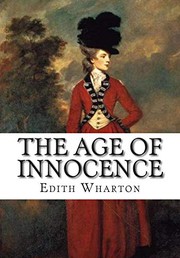 The Age of Innocence by Edith Wharton
1922
Biography
- A Daughter of the Middle Border by Hamlin Garland
Drama
 Anna Christie by Eugene O’Neill
History
- The Founding of New England by James Truslow Adams
Novel
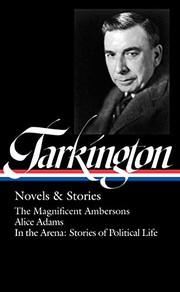 Alice Adams by Booth Tarkington
Poetry
- Collected Poems by Edwin Arlington Robinson
1923
Biography
- The Life and Letters of Walter H. Page by Burton J. Hendrick
Drama
- Icebound by Owen Davis
History
- The Supreme Court in United States History by Charles Warren
Novel
 One of Ours by Willa Cather
Poetry
- The Ballad of the Harp-Weaver: A Few Figs from Thistles: Eight Sonnets in American Poetry, 1922. A Miscellany by Edna St. Vincent Millay
1924
Biography
- From Immigrant to Inventor by Michael Idvorsky Pupin
Drama
 Hell-Bent Fer Heaven by Hatcher Hughes
History
- The American Revolution – A Constitutional Interpretation by Charles Howard McIlwain
Novel
- The Able McLaughlins by Margaret Wilson
Poetry
- New Hampshire: A Poem with Notes and Grace Notes by Robert Frost
1925
Biography
- Barrett Wendell and His Letters by M. A. Dewolfe Howe
Drama
- They Knew What They Wanted by Sidney Howard
History
 History of the American Frontier by Frederic L. Paxson
Novel
- So Big by Edna Ferber
Poetry
- The Man Who Died Twice by Edwin Arlington Robinson
1926
Biography
- The Life of Sir William Osler, 2 vols. by Harvey Cushing
Drama
- Craig’s Wife by George Kelly
History
- A History of the United States, Vol. VI: The War for Southern Independence, 1849-1865 by Edward Channing
Novel
- Arrowsmith by Sinclair Lewis
Poetry
- What’s O’Clock by Amy Lowell
1927
Biography
- Whitman: An Interpretation in Narrative by Emory Holloway
Drama
- In Abraham’s Bosom by Paul Green
History
- Pinckney’s Treaty by Samuel Flagg Bemis
Novel
 Early Autumn by Louis Bromfield
Poetry
- Fiddler’s Farewell by Leonora Speyer
1928
Biography
- The American Orchestra and Theodore Thomas by Charles Edward Russell
Drama
 Strange Interlude by Eugene O’Neill
History
- Main Currents in American Thought, 2 vols. by Vernon Louis Parrington
Novel
 The Bridge of San Luis Rey by Thornton Wilder
Poetry
- Tristram by Edwin Arlington Robinson
1929
Biography
- The Training of an American: The Earlier Life and Letters of Walter H. Page by Burton J. Hendrick
Drama
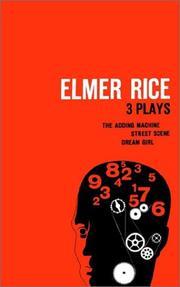 Street Scene by Elmer L. Rice
History
- The Organization and Administration of the Union Army, 1861-1865 by Fred Albert Shannon
Novel
- Scarlet Sister Mary by Julia Peterkin
Poetry
- John Browns Body by Stephen Vincent Benét