Pulitzer Prizes 1930s: A decade of winners
The 1930s Pulitzer Prize winners offer a fascinating window into a nation grappling with economic collapse, social upheaval, and a search for meaning in uncertain times. From the early years of the Depression through the approach of World War II, America’s most celebrated authors, playwrights, and historians turned their attention inward—examining the country’s past, its character, and its capacity for resilience. Pearl S. Buck’s The Good Earth in 1932 and Margaret Mitchell’s Gone With the Wind in 1937 captured readers’ imaginations with stories of survival and endurance, while Robert Frost claimed the Pulitzer multiple times over the decade, his quiet meditations on American life resonating with audiences seeking wisdom in dark times. The Pulitzer Prizes themselves were evolving during these years, expanding their cultural reach and establishing themselves as the gold standard for recognizing American literary achievement.
What strikes most about this decade of Pulitzer Prize winners is the theatrical vitality that runs through the drama category. George S. Kaufman’s collaboration on Of Thee I Sing in 1932 brought satirical comedy to the prize stage, while Thornton Wilder’s Our Town in 1938 redefined what American drama could be—stripping away artifice to reveal the profound beauty in ordinary lives. These plays shared the decade with Robert E. Sherwood’s politically prescient works, reflecting a theater scene deeply engaged with contemporary concerns. Meanwhile, the biographies and histories honored throughout the 1930s reveal an intense national conversation about American identity: who were we, how did we get here, and what did our past teach us about our future? Douglas Freeman’s monumental R. E. Lee, Allan Nevins’ scholarship on American political figures, and Van Wyck Brooks’ celebrations of New England’s flowering all contributed to a decade-long historical reckoning.
The full list of 1930s Pulitzer Prize winners below shows just how rich and varied this era of American letters truly was.
1930
Biography
 The Raven by Marquis James
Drama
- The Green Pastures by Marc Connelly
History
- The Founding of the American Republic, Volume II: The War of Independence: American Phase by Claude H. Van Tyne
Novel
- Laughing Boy by Oliver La Farge
Poetry
- Selected Poems by Conrad Aiken
1931
Biography
- Charles W. Eliot by Henry James
Drama
- Alison’s House by Susan Glaspell
History
- The Coming of the War 1914 by Bernadotte E. Schmitt
Novel
- Years of Grace by Margaret Ayer Barnes
Poetry
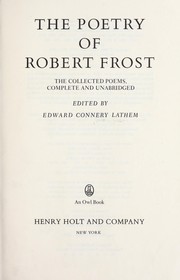 Collected Poems by Robert Frost
1932
Biography
- Theodore Roosevelt by Henry F. Pringle
Drama
- Of Thee I Sing by George S. Kaufman, Morrie Ryskind and Ira Gershwin
History
- My Experiences in the World War by John J. Pershing
Novel
 The Good Earth by Pearl S. Buck
Poetry
- The Flowering Stone by George Dillon
1933
Biography
 Grover Cleveland by Allan Nevins
Drama
- Both Your Houses by Maxwell Anderson
History
- The Significance of Sections in American History by Frederick J. Turner
Novel
- The Store by T. S. Stribling
Poetry
 Conquistador by Archibald Macleish
1934
Biography
- John Hay by Tyler Dennett
Drama
- Men in White by Sidney Kingsley
History
- The People’s Choice by Herbert Agar
Novel
- Lamb in His Bosom by Caroline Miller
Poetry
- Collected Verse by Robert Hillyer
1935
Biography
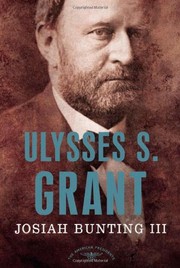 R. E. Lee by Douglas S. Freeman
Drama
- The Old Maid by Zoe Akins
History
- The Colonial Period of American History by Charles McLean Andrews
Novel
- Now in November by Josephine Winslow Johnson
Poetry
- Bright Ambush by Audrey Wurdemann
1936
Biography
- The Thought and Character of William James: As Revealed in Unpublished Correspondence and Notes, Together with His Published Writings by Ralph Barton Perry
Drama
- Idiots Delight by Robert E. Sherwood
History
 A Constitutional History of the United States by Andrew C. McLaughlin
Novel
- Honey in the Horn by Harold L. Davis
Poetry
- Strange Holiness by Robert P. Tristram Coffin
1937
Biography
- Hamilton Fish: The Inner History of the Grant Administration by Allan Nevins
Drama
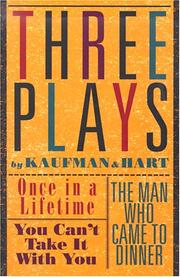 You Can’t Take It With You by Moss Hart and George S. Kaufman
History
- The Flowering of New England 1815-1865 by Van Wyck Brooks
Novel
- Gone With the Wind by Margaret Mitchell
Poetry
- A Further Range by Robert Frost
1938
Biography
- The Life of Andrew Jackson by Marquis James
- Pedlar’s Progress by Odell Shepard
Drama
 Our Town by Thornton Wilder
History
 The Road to Reunion, 1865-1900 by Paul Herman Buck
Novel
- The Late George Apley by John Phillips Marquand
Poetry
- Cold Morning Sky by Marya Zaturenska
1939
Biography
- Benjamin Franklin by Carl Van Doren
Drama
- Abe Lincoln in Illinois by Robert E. Sherwood
History
 A History of American Magazines by Frank Luther Mott
Novel
- The Yearling by Marjorie Kinnan Rawlings
Poetry
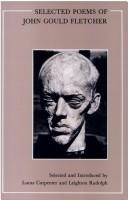 Selected Poems by John Gould Fletcher