Pulitzer Prizes 1969: Complete list of winners
The 1969 Pulitzer Prizes marked a transformative moment in American letters, with winners that would go on to reshape literary landscapes across multiple genres. N. Scott Momaday’s “House Made of Dawn” became a watershed work in Native American literature, bringing Indigenous voices to the center of the nation’s most prestigious book award at a time when such recognition was extraordinarily rare. Alongside Momaday’s groundbreaking fiction prize, the Drama category recognized Howard Sackler’s “The Great White Hope,” a powerful examination of race and power in early 20th-century America that captured the zeitgeist of a nation grappling with civil rights and social upheaval.
The 1969 Pulitzer Prize winners as a cohort reflected the era’s intellectual and artistic ferment. Norman Mailer’s “The Armies of the Night,” a genre-defying account of the 1967 March on the Pentagon, won the General Nonfiction award and demonstrated how nonfiction could achieve literary brilliance while documenting contemporary history. George Oppen’s “Of Being Numerous” earned the Poetry prize for its austere, intellectually rigorous verse, while Benjamin Lawrence Reid’s biography of the legendary art patron John Quinn, and Leonard W. Levy’s “Origins of the Fifth Amendment” showed the historical guild working at its finest. Rene Jules Dubos also took home a General Nonfiction award for “So Human An Animal,” a meditation on the relationship between humans and their environment that presaged decades of ecological consciousness.
These winners across all categories of the Pulitzer Prizes demonstrate how a single year can crystallize the concerns, innovations, and moral urgencies of an entire era. Below, explore the full list of 1969’s honorees:
Biography
- The Man From New York: John Quinn and His Friends by Benjamin Lawrence Reid
Drama
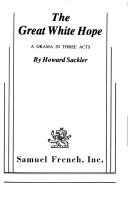 The Great White Hope by Howard Sackler
Fiction
- House Made of Dawn by N. Scott Momaday
General Nonfiction
 The Armies Of The Night by Norman Mailer
 So Human An Animal by Rene Jules Dubos
History
- Origins of the Fifth Amendment by Leonard W. Levy
Poetry
- Of Being Numerous by George Oppen