Pulitzer Prizes 1970: Complete list of winners
The 1970 Pulitzer Prizes reflected a nation in flux, with the awards committee honoring works that grappled with American identity, power, and historical reckoning in distinctly different ways. T. Harry Williams’s monumental biography of Huey Long captured the outsized personality of Louisiana’s political firebrand, while Charles Gordone made history as the first Black playwright to win the Pulitzer Prize for Drama with No Place To Be Somebody, a watershed moment for Broadway and American theater. Meanwhile, Jean Stafford’s Collected Stories demonstrated the enduring power of the short form, and Erik H. Erikson’s Gandhi’s Truth brought psychological insight to the life of the Indian independence leader, proving that biography and history could operate on multiple intellectual registers.
The 1970 Pulitzer Prizes in Pulitzer Prizes for History and General Nonfiction showcased an era of introspective historical writing, with Dean Acheson’s Present At The Creation: My Years In The State Department offering an insider’s account of Cold War diplomacy and America’s postwar emergence as a superpower. Richard Howard’s Untitled Subjects completed the year’s lineup, bringing a poet’s precision and erudition to verse during a decade when American poetry was expanding in ambition and formal experimentation. Together, these Pulitzer Prize winners—spanning biography, drama, fiction, poetry, history, and general nonfiction—painted a portrait of American letters deeply engaged with questions of power, identity, and historical consciousness.
What follows is the complete roster of 1970 Pulitzer Prize recipients across all major categories, each a testament to exceptional achievement in their respective fields.
Biography
 Huey Long by T. Harry Williams
Drama
- No Place To Be Somebody by Charles Gordone
Fiction
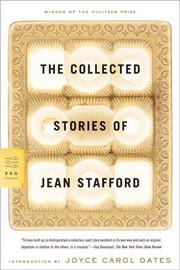 Collected Stories by Jean Stafford
General Nonfiction
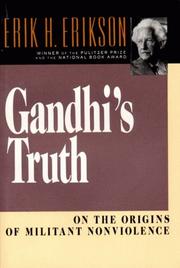 Gandhi’s Truth by Erik H. Erikson
History
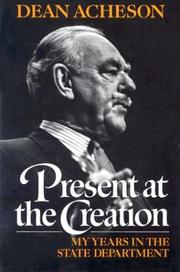 Present At The Creation: My Years In The State Department by Dean Acheson
Poetry
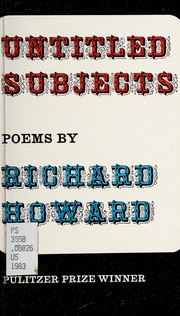 Untitled Subjects by Richard Howard