Pulitzer Prizes 1976: Complete list of winners
The 1976 Pulitzer Prizes arrived during America’s bicentennial year, and the winners announced that spring reflected a nation taking stock of itself—looking backward with biographical intensity while simultaneously pushing artistic boundaries forward. Saul Bellow’s Humboldt’s Gift claimed the Fiction prize, a dense, intellectually ambitious novel that showcased Bellow’s gift for weaving philosophy into narrative. Meanwhile, in Drama, A Chorus Line made history as a collaborative achievement, with the prize shared among Michael Bennett, James Kirkwood Jr., Marvin Hamlisch, Nicholas Dante, and Edward Kleban—a recognition that acknowledged how thoroughly the musical had revolutionized Broadway by centering the voices and struggles of dancers themselves. The recognition of this ensemble cast signaled the Pulitzer’s evolving willingness to honor works created through team effort rather than solitary authorship.
This particular year’s Pulitzer announcements showcased the breadth of American intellectual life across multiple disciplines. R. W. B. Lewis earned the Biography prize for his comprehensive Edith Wharton: A Biography, a scholarly monument to the writer’s complex life. John Ashbery’s deceptively intricate Self-portrait in a Convex Mirror won Poetry, introducing a wider audience to his postmodern sensibilities. The awards also demonstrated the Pulitzer’s commitment to vital social questions: Robert N. Butler’s Why Survive? Being Old In America in General Nonfiction tackled aging and healthcare with urgent moral clarity, while Paul Horgan’s Lamy of Santa Fe brought New Mexican history to the forefront in the History category. Together, these six winners painted a portrait of American culture confronting its past and experimenting with its future.
Below, you’ll find details on each 1976 Pulitzer winner and what made their achievements resonate with the judges that year.
Biography
 Edith Wharton: A Biography by R. W. B. Lewis
Drama
- A Chorus Line by Michael Bennett, James Kirkwood, Jr., Marvin Hamlisch, Nicholas Dante and Edward Kleban
Fiction
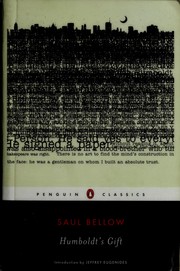 Humboldt’s Gift by Saul Bellow
General Nonfiction
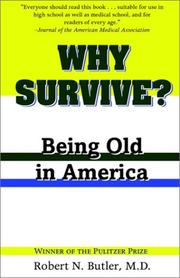 Why Survive? Being Old In America by Robert N. Butler
History
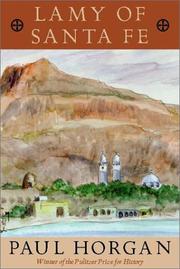 Lamy of Santa Fe by Paul Horgan
Poetry
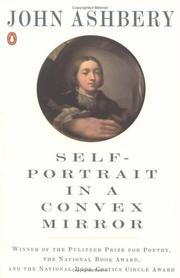 Self-portrait in a Convex Mirror by John Ashbery