Women's Prize for Fiction 1990s: A decade of winners
The 1990s was a transformative decade for the Women’s Prize for Fiction, a time when the award began establishing itself as one of Britain’s most prestigious literary honors. While the prize had launched in 1996 with a mission to celebrate excellence in women’s fiction, it emerged into a literary landscape already brimming with female voices demanding recognition. The early winners set a remarkable tone—writers who favored psychological depth over plot convenience, who weren’t afraid of fragmented narratives or unreliable perspectives. These were books that interrogated memory, identity, and loss with surgical precision, reflecting a broader 1990s shift toward introspective, character-driven fiction that challenged conventional storytelling.
Helen Dunmore’s A Spell of Winter opened the prize’s history with a haunting exploration of childhood trauma and family secrets, immediately signaling that this award would champion literary ambition. The subsequent years brought Anne Michaels’ Fugitive Pieces, a ravishing meditation on the Holocaust and poetic language that proved the prize’s international reach, and Carol Shields’ Larry’s Party, which deconstructed masculinity and middle-class life with brilliant wit. By decade’s end, Suzanne Berne’s A Crime in the Neighborhood arrived as a coming-of-age mystery that interrogated suburban American life, each winner demonstrating a refreshing commitment to formal experimentation and emotional authenticity over commercial appeal.
What emerged across these early years was less a single aesthetic and more a shared sensibility—a preference for writers unafraid to be difficult, ambitious, and deeply human. The Women’s Prize for Fiction had quickly become essential reading for anyone serious about contemporary literature. Below, explore the complete roster of winners from this pivotal decade:
1996
Fiction
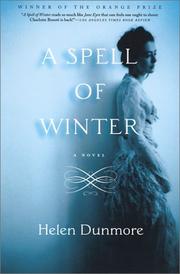 A Spell of Winter by Helen Dunmore
1997
Fiction
 Fugitive Pieces by Anne Michaels
1998
Fiction
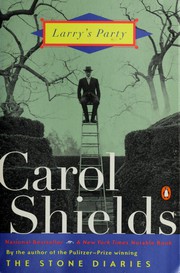 Larry’s Party by Carol Shields
1999
Fiction
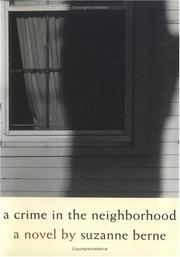 A Crime in the Neighborhood by Suzanne Berne