Women's Prize for Fiction 2000s: A decade of winners
The 2000s were a transformative decade for the Women’s Prize for Fiction, a period when the award seemed to have found its confident stride in championing literary ambition and narrative innovation. As the new millennium unfolded, the prize became a reliable indicator of which books were pushing boundaries and asking urgent questions about identity, family, and history. This was the era of Small Island by Andrea Levy, a stunning multi-generational saga that arrived in 2004 and reminded readers of fiction’s power to illuminate overlooked corners of British postcolonial experience. That same year also saw Zadie Smith’s On Beauty claim the 2006 prize, signaling how the award had embraced a more expansive vision of what contemporary British fiction could sound like—witty, culturally hybrid, unafraid of big ideas.
What’s striking about this decade is how the Women’s Prize for Fiction winners seemed to collectively wrestle with the same fundamental questions: What does it mean to belong? How do we construct meaning from trauma and displacement? From Lionel Shriver’s controversial We Need to Talk About Kevin in 2005—a psychological thriller that divided readers but couldn’t be ignored—to Chimamanda Ngozi Adichie’s Half of a Yellow Sun in 2007, which opened readers’ eyes to the Nigerian-Biafran War with lyrical intensity, the prize championed authors willing to take risks. Even the quieter winners, like Rose Tremain’s The Road Home in 2008 and Marilynne Robinson’s Home in 2009, carried profound emotional weight beneath their understated surfaces. The 2000s Women’s Prize for Fiction list reveals a decade when literary prizes began reflecting our world’s growing complexity.
Below, explore the complete list of Women’s Prize for Fiction winners from 2000-2009 and revisit these standout moments in literary history.
2000
Fiction
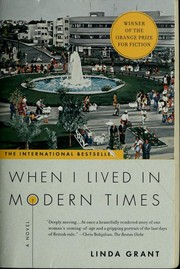 When I Lived in Modern Times by Linda Grant
2001
Fiction
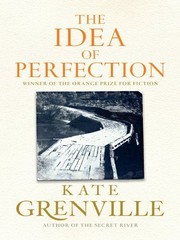 The Idea of Perfection by Kate Grenville
2002
Fiction
- Bel Canto by Ann Patchett
2003
Fiction
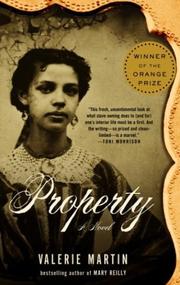 Property by Valerie Martin
2004
Fiction
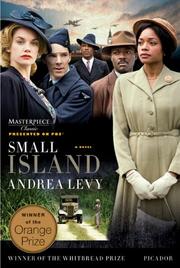 Small Island by Andrea Levy
2005
Fiction
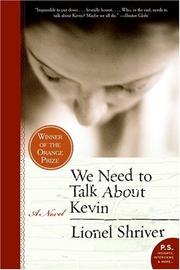 We Need to Talk About Kevin by Lionel Shriver
2006
Fiction
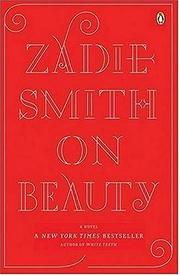 On Beauty by Zadie Smith
2007
Fiction
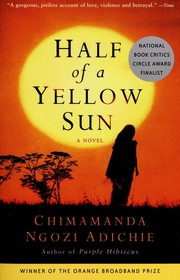 Half of a Yellow Sun by Chimamanda Ngozi Adichie
2008
Fiction
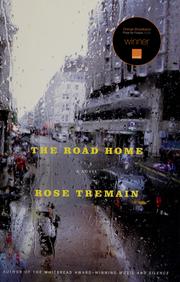 The Road Home by Rose Tremain
2009
Fiction
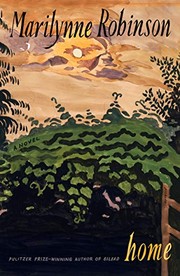 Home by Marilynne Robinson