World Fantasy Awards 1980s: A decade of winners
The 1980s were a transformative decade for the World Fantasy Awards, a period when fantasy literature was simultaneously expanding into literary sophistication and deepening its roots in darker, more complex territory. This was the era when fantasy shed some of its earlier associations with escapism and began exploring the genre as a vehicle for serious literary ambition. Gene Wolfe’s The Shadow of the Torturer, winner of the inaugural award in 1981, exemplified this shift—a densely layered, intellectually challenging novel that proved fantasy could demand as much from its readers as any literary fiction. Similarly, John Crowley’s Little, Big in 1982 and Patrick Süskind’s Perfume in 1987 demonstrated that the award was recognizing works that transcended genre boundaries entirely, books that happened to contain fantastical elements while grappling with profound themes about memory, obsession, and the human condition.
What strikes most about surveying this decade is how the World Fantasy Awards consistently championed stylistic innovation and risk-taking. Tanith Lee appeared multiple times in the short fiction categories, her lush, darkly sensual prose becoming almost synonymous with the decade’s aesthetic sensibility. Elsewhere, the inclusion of Barry Hughart’s Bridge of Birds and Dan Simmons’s Song of Kali showcased the award’s appetite for genre-blending and cultural exploration. Even as the 1980s advanced into an era of blockbuster fantasy—when dragons and chosen ones dominated bestseller lists—the World Fantasy Awards remained a barometer for literary quality and formal experimentation, championing voices that pushed the boundaries of what fantasy could be.
The short fiction categories proved especially vital to the decade’s evolution, showcasing emerging masters like Orson Scott Card and established voices reinventing themselves. Whether through the surreal narrative textures of Howard Waldrop’s “The Ugly Chickens” or the atmospheric dread perfected by Ramsey Campbell, these stories captured the award’s fundamental commitment: recognizing that fantasy’s true power lies not in world-building alone, but in the distinctive artistic visions of its practitioners.
Explore the complete list of World Fantasy Awards winners from 1980 through 1989 below.
1980
Best Novel
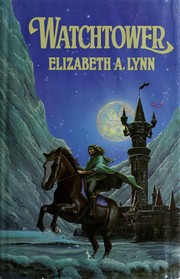 Watchtower by Elizabeth A. Lynn
Best Short Fiction
- “Mackintosh Willy” by Ramsey Campbell
- Amazons!(DAW Books) by “The Woman Who Loved the Moon”
1981
Best Novel
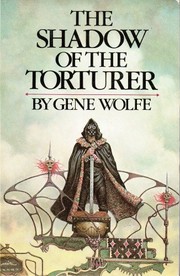 The Shadow of the Torturer by Gene Wolfe
Best Short Fiction
- “The Ugly Chickens” by Howard Waldrop
1982
Best Novel
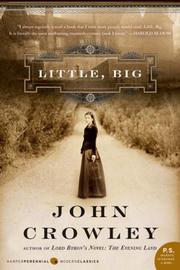 Little, Big by John Crowley
Best Novella
 “The Fire When It Comes” by Parke Godwin
Best Short Fiction
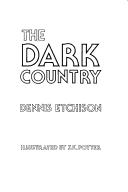 “The Dark Country” by Dennis Etchison
- Yankee by “Do the Dead Sing?”
1983
Best Novel
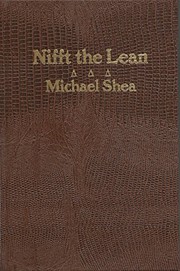 Nifft the Lean by Michael Shea
Best Novella
- “Confess the Seasons” by Charles L. Grant
- Whispers by “Beyond Any Measure”
Best Short Fiction
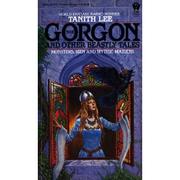 “The Gorgon” by Tanith Lee
1984
Best Novel
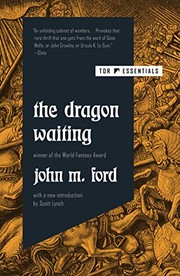 The Dragon Waiting by John M. Ford
Best Novella
- “Black Air” by Kim Stanley Robinson
Best Short Fiction
- “Elle Est Trois, (La Mort)” by Tanith Lee
1985
Best Novel
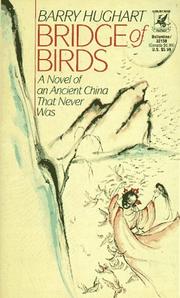 Bridge of Birds by Barry Hughart
- Victor Gollancz by Mythago Wood
Best Novella
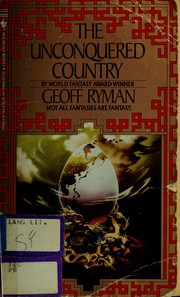 “The Unconquered Country” by Geoff Ryman
Best Short Fiction
- “The Bones Wizard” by Alan Ryan
- Asimov’s Science Fiction by “Still Life with Scorpion”
1986
Best Novel
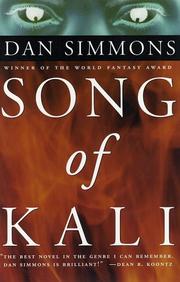 Song of Kali by Dan Simmons
Best Novella
- “Nadelman’s God” by T. E. D. Klein
Best Short Fiction
- “Paper Dragons” by James Blaylock
1987
Best Novel
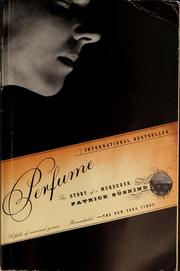 Perfume by Patrick Süskind
Best Novella
- “Hatrack River” by Orson Scott Card
Best Short Fiction
- “Red Light” by David Schow
1988
Best Novel
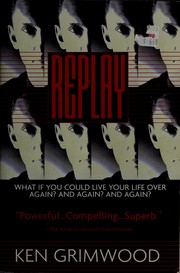 Replay by Ken Grimwood
Best Novella
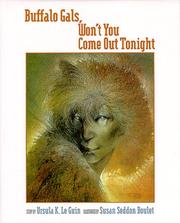 “Buffalo Gals, Won’t You Come Out Tonight” by Ursula K. Le Guin
Best Short Fiction
- “Friend’s Best Man” by Jonathan Carroll
1989
Best Novel
- Koko by Peter Straub
Best Novella
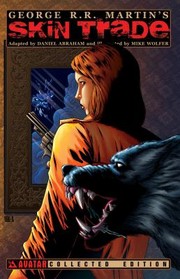 “The Skin Trade” by George R. R. Martin
Best Short Fiction
- “Winter Solstice, Camelot Station” by John M. Ford