World Fantasy Awards 1990s: A decade of winners
The 1990s World Fantasy Awards captured a genre in fascinating transition, reflecting a decade when fantasy literature was shedding its purely escapist reputation and embracing literary ambition alongside imaginative wonder. This was an era when the World Fantasy Awards themselves were becoming increasingly prestigious—a recognition that fantasy need not apologize for its concerns, even as it soared into realms of magic and the uncanny. The award winners of this decade show a striking diversity of voices and approaches, from Jack Vance’s elegant Madouc, which opened the period, to Louise Erdrich’s The Antelope Wife, which closed it. Between these bookends lay works that pushed genre boundaries: Tim Powers’ Last Call wove American history into occult intrigue, Christopher Priest’s The Prestige played with narrative structure and impossible magic, and James K. Morrow’s two victories—Only Begotten Daughter and Towing Jehovah—demonstrated how fantasy could tackle philosophical questions with subversive humor.
What’s particularly striking about this decade is how often the awards honored writers working at the intersection of literary fiction and speculative imagination. Neil Gaiman’s 1991 victory for “A Midsummer Night’s Dream” came just as he was transitioning from cult status to mainstream recognition, while Stephen King’s 1995 win for “The Man in the Black Suit” validated a writer who had spent years proving that commercial success and literary merit weren’t mutually exclusive. The novella category, in particular, became a testing ground for ambitious storytelling—Peter Straub, Elizabeth Hand, and Ian R. MacLeod all used the form to explore psychological complexity and narrative daring. By the late decade, winners like Kelly Link and Jeffrey Ford represented a new generation comfortable mixing horror, fabulism, and high style into work that defied easy categorization.
Below, explore the full roster of the 1990s World Fantasy Award winners and rediscover the works that shaped the decade.
1990
Best Novel
- Madouc by Jack Vance
Best Novella
- “Great Work of Time” by John Crowley
Best Short Fiction
- “The Illusionist” by Steven Millhauser
1991
Best Novel
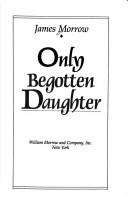 Only Begotten Daughter by James K. Morrow
- William Morrow and Company by Thomas the Rhymer
Best Novella
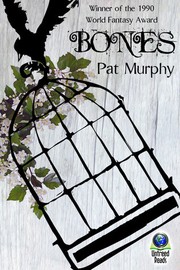 “Bones” by Pat Murphy
Best Short Fiction
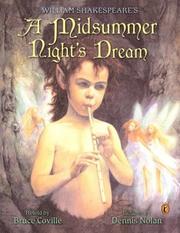 “A Midsummer Night’s Dream” by Neil Gaiman
1992
Best Novel
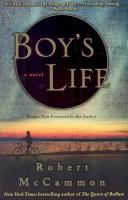 Boy’s Life by Robert R. McCammon
Best Novella
- “The Ragthorn” by Robert Holdstock
Best Short Fiction
- “The Somewhere Doors” by Fred Chappell
1993
Best Novel
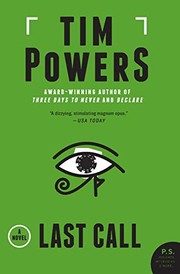 Last Call by Tim Powers
Best Novella
- “The Ghost Village” by Peter Straub
Best Short Fiction
- “Graves” by Joe Haldeman
- Still Dead(Mark V. Ziesing) by “This Year’s Class Picture”
1994
Best Novel
 Glimpses by Lewis Shiner
Best Novella
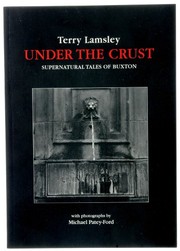 “Under the Crust” by Terry Lamsley
Best Short Fiction
- The Lodger by Fred Chappell
1995
Best Novel
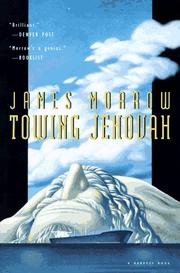 Towing Jehovah by James K. Morrow
Best Novella
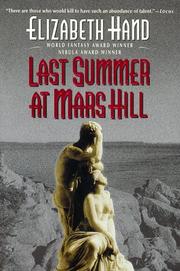 “Last Summer at Mars Hill” by Elizabeth Hand
Best Short Fiction
- “The Man in the Black Suit” by Stephen King
1996
Best Novel
- The Prestige by Christopher Priest
Best Novella
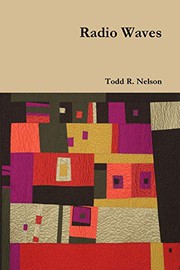 Radio Waves|”Radio Waves” by Michael Swanwick
Best Short Fiction
- “The Grass Princess” by Gwyneth Jones
1997
Best Novel
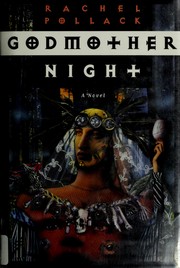 Godmother Night by Rachel Pollack
Best Novella
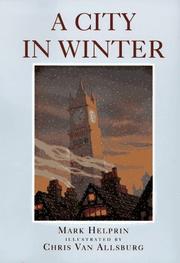 A City in Winter by Mark Helprin
Best Short Fiction
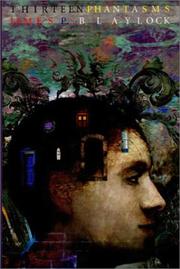 “Thirteen Phantasms” by James Blaylock
1998
Best Novel
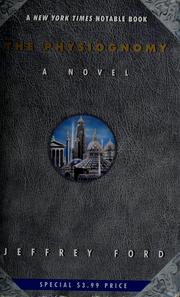 The Physiognomy by Jeffrey Ford
Best Novella
 “Streetcar Dreams” by Richard Bowes
Best Short Fiction
- “Dust Motes” by P. D. Cacek
1999
Best Novel
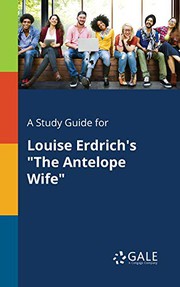 The Antelope Wife by Louise Erdrich
Best Novella
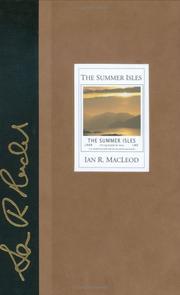 “The Summer Isles” by Ian R. MacLeod
Best Short Fiction
- “The Specialist’s Hat” by Kelly Link